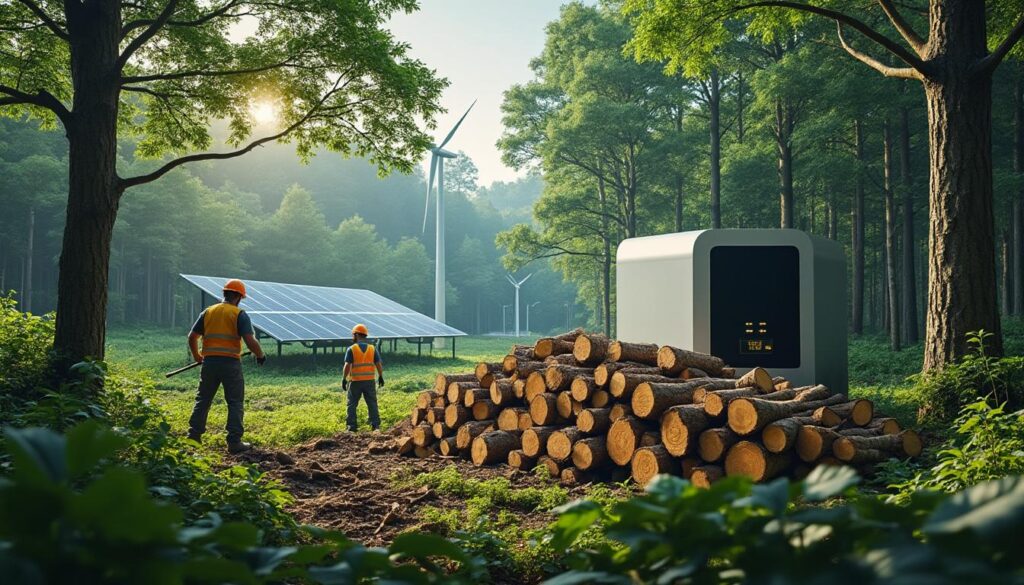
Angola accelerates the diversification of its energy matrix with a clear focus on renewable sources, articulating hydropower plants, solar parks, and new partnerships. The goal is simple and ambitious: to ensure clean, stable, and accessible energy for families and businesses, driving sustainable development.
| Short on time? Here’s the essential: | |
|---|---|
| Point ⏱️ | Summary 💡 |
| ✅ Point #1 | Hydropower + solar form the basis of the matrix; hydropower stabilizes the grid and enables more photovoltaic ⚡ |
| ✅ Point #2 | Seven solar plants are already operating (≈370 MW); highlights include Biópio (188 MW) and Cazombo with storage 🔋 |
| ✅ Point #3 | Avoid relying on diesel generators; opt for solar mini-grids and efficient solutions for remote areas 🌞 |
| ✅ Bonus | The first PPA with MASDAR (Quipungo, 150 MW) opens doors to more private investment 🤝 |
Renewable energies in Angola: hydropower as a basis for integrating more solar and wind
In Angola, hydropower has been recognized as the backbone of the electrical system, capable of providing firm power and frequency regulation. This stability allows for the integration of variable sources, such as solar, without compromising the reliability of supply.
Major hydropower projects, such as Laúca, Cambambe, and Capanda, ensure clean base energy and help smooth out daily fluctuations. When photovoltaic production peaks at noon, turbines can reduce output; when the sun sets, they increase output to meet demand.
Why hydropower stabilizes the grid
Hydropower plants provide inertia, spinning reserve, and rapid response, fundamental elements for a grid with more variable renewables. This technical capability reduces the risk of outages and improves the quality of service, especially during consumption peaks.
Furthermore, hydropower facilitates the creation of green corridors that accommodate new solar parks, allowing for more predictable dispatches. In operational terms, this translates to less energy waste and less need for fossil sources to “balance” the grid.
Practical benefits for families and businesses
For those planning to build or rehabilitate, this robust hydropower base means that solutions such as heat pumps, solar water heating, and cross ventilation connect to an increasingly clean grid. The result is comfort with lower operational costs and a reduced environmental footprint.
Businesses can schedule energy-intensive processes outside peak hours, taking advantage of times of higher renewable production. The predictability of the grid also favors electric mobility in cities and logistics corridors.
A cleaner and cooperative system
According to sector officials, Angola already produces a very significant part of its electricity from renewables, with a strong hydropower component and a growing solar share. This performance reduces emissions and increases the potential for regional energy integration.
With more photovoltaic systems coming online, hydropower remains the “anchor” that provides security to investors and confidence to consumers. In summary: without solid hydropower, there’s no sustainable solar expansion.

Photovoltaic solar energy in Angola: accelerated expansion and rural electrification with storage
In recent years, Angola has commissioned seven large-scale photovoltaic plants with a combined capacity close to 370 MW. Among them, the Biópio Solar Plant (188 MW) and the Baía Farta, both in the province of Benguela, have turned the coast into a showcase of energy transition.
At the same time, investments in the interior of the country are gaining strength with projects that combine solar and batteries. The Cazombo Solar Park (Moxico-East), featuring 25.4 MW and a storage system of 75.26 MW, provides clean and reliable energy to around 136 thousand people, reducing dependence on diesel generators.
Storage: the bridge to 24/7 energy
Battery storage addresses a classic challenge of solar energy: intermittency. In Cazombo, the combination of photovoltaics and batteries enables extension of supply into the night, stabilizing voltage and reducing losses.
For rural areas, solar mini-grids with batteries and pre-paid metering can ensure universal access at controlled costs. This model is scalable, replicable, and quick to implement compared to long extensions of transmission lines.
Best practices for homes and small businesses
If your home or business is in an area with good solar radiation, rooftop generation can lower bills and increase energy independence. The key is to combine efficiency with the right system sizing.
- 🌞 Assess the orientation and shading of the roof (ideal: moderate slope and absence of shadows).
- 🔌 Prioritize efficient appliances (A++), LED lighting, and smart load management.
- 🔋 Consider batteries if the grid is unstable; otherwise, optimize consumption during sunny hours.
- 🛠️ Demand certified installers and performance guarantees for modules and inverters.
- 📱 Use real-time monitoring to adjust habits and maximize self-production.
Inspirational example: agroindustry with solar
An agricultural cooperative in Benguela can use photovoltaics for post-harvest refrigeration, scheduling peak cooling for sunny hours. With batteries, it protects against interruptions and preserves food quality, avoiding waste.
In terms of total cost of ownership, the system recoups the investment through monthly savings and reduced costs typically associated with fossil generators. The next step in this movement is to connect entire communities to efficient and resilient mini-grids.
Financing and policies: Quipungo PPA with MASDAR, IRENA, and Sustainability Week
The signing of the Power Purchase Agreement (PPA) for the solar project in Quipungo (150 MW) with MASDAR marks a turning point. This is the first agreement of its kind in the country, a clear sign of regulatory maturity and openness to private capital.
PPAs provide revenue predictability for producers and tariff stability for the system. With well-structured contracts, perceived risk decreases, lowering the levelized cost of energy and attracting new investors.
Favorable international environment
In Abu Dhabi, at the IRENA Assembly and during the 2026 Sustainability Week, Angola highlighted the diversification strategy and the role of renewables. Discussions included electrical grids, planning, digital innovation, and AI for financing mobilization, as well as sustainable fuels for aviation and green industrialization.
This global agenda reinforces Angola’s ability to scale solar, wind, and storage projects. More technical cooperation accelerates internal connections and future regional interconnections, consolidating energy security.
Goals and results gaining traction
The renewable participation goals, aiming for 70% in the short term and 73% by 2027, align with figures released by sector officials, who report a high renewable share in electricity generation with a strong hydropower predominance and solar advancement. The focus now is to expand distributed solar and integrate more storage for efficient stability.
To simply illustrate the current status of strategic projects, see the following table.
| Project 🚀 | Capacity ⚡ | Technology 🔧 | Status 📍 |
|---|---|---|---|
| Quipungo | 150 MW | Photovoltaic solar | PPA signed with MASDAR ✅ |
| Biópio (Benguela) | 188 MW | Photovoltaic solar | In operation ✅ |
| Baía Farta (Benguela) | — | Photovoltaic solar | In operation ✅ |
| Cazombo (Moxico-East) | 25.4 MW + 75.26 MW (storage) | Solar + batteries | In operation ✅ |
| Rural mini-grids | Scalable | Solar + storage | In development 🔄 |
The multiplier effect of these initiatives is clear: a reliable pipeline is created that attracts suppliers, qualifies local labor, and accelerates green industrialization. The more predictable the project landscape, the more competitive costs and delivery times become.
Sustainable housing in Angola: efficiency, comfort, and autonomy with new clean energy
With the grid becoming cleaner and more stable, houses can be designed to consume less and better. Bioclimatic architecture, climate-appropriate materials, and efficient equipment reduce energy demand and allow for greater autonomy, especially when combined with rooftop solar.
In hot and humid coastal regions, solutions for shading, cross ventilation, and solar protection on façades are decisive. In the plateau, the focus shifts to reducing thermal losses at night and maintaining passive comfort during the day.
High-impact design gestures
Working on the placement of the house to capture breezes and avoid overheating is a simple yet powerful gesture. Generous eaves, vertical “sun breaks” to the west, and ventilated patios favor natural cooling without compromising light.
Walls with moderate thermal inertia and targeted insulation at critical points (roofs and frames) reduce temperature peaks. Meanwhile, well-designed natural ventilation prevents humidity and improves indoor air quality.
Hot water, cold food, and comfort with fewer watts
The solar water heating covers showers and washings with minimal electric consumption, freeing up capacity for efficient freezers and refrigerators. In kitchens, choosing induction cookers and effective exhaust improves the environment and reduces losses.
For those integrating photovoltaics, scheduling washing machines and water pumps during peak sun hours increases self-consumption rates. With small batteries, essentials are maintained during outages, enhancing home resilience.
Practical example: housing cooperative in Benguela
Imagine a cooperative building 20 single-story houses, all with roofs prepared for 2–4 kW of photovoltaics and solar thermosiphons. The façades facing east and west receive fixed shading; the windows are cross-ventilated to promote air circulation. The result? Comfort all year round and lighter bills.
If the area has a mini-grid with batteries, the houses can share a community storage system and a charger for electric scooters. Collective savings reduce the payback period and create an exemplary neighborhood.
To delve deeper into passive design solutions and material choices, resources such as Ecopassivehouses.pt gather best practices, construction details, and useful tools. The main message is simple: efficiency first, generation later.
How to act now: practical steps for families and businesses wanting clean energy
With so many projects underway, it’s worth translating inspiration into action. The path begins by understanding your needs, reducing waste, and only then investing in own generation or storage solutions.
To avoid frustrations and unnecessary costs, focus on decisions with real and measurable impact. Below, a clear roadmap to guide this journey.
Quick checklist to move forward safely
- 🧭 Conduct a simple audit: identify the largest consumers (food refrigeration, pumps, heating).
- 💡 Replace old bulbs with LEDs and install sensors in passage areas.
- 🌬️ Ensure cross ventilation and adequate shading before purchasing air conditioning.
- 🌞 Consider a photovoltaic kit for the roof and prepare the infrastructure for future batteries.
- 🔋 In remote areas, choose a solar mini-grid with storage instead of diesel generators.
- 📈 Use monitoring (app/inverter) to adjust habits and maximize self-consumption.
- 🧰 Demand manuals, guarantees, and basic operation training from the installer.
Common mistakes to avoid
Buying equipment without certification or provenance increases failures and reduces lifespan. Poorly sizing the system without considering consumption patterns leads to frustration with actual production.
Another mistake is ignoring the thermal envelope of the house. Without addressing air leaks, shading, and ventilation, any investment in generation will feel insufficient.
Prepare for what comes next
With more PPAs and projects moving forward, expect new tariffs and opportunities for collective self-consumption. Condominiums and business parks will be able to share production and storage, reducing peaks on the grid.
In mobility, installing smart charging points helps to charge during higher renewable production hours. This reduces costs and smooths the demand curve on the system.
If the priority is to start now, focus on three movements: aggressive efficiency, correct sizing, and continuous monitoring. This tripod ensures that each clean kilowatt does more for you and your budget.
Source: sapo.pt