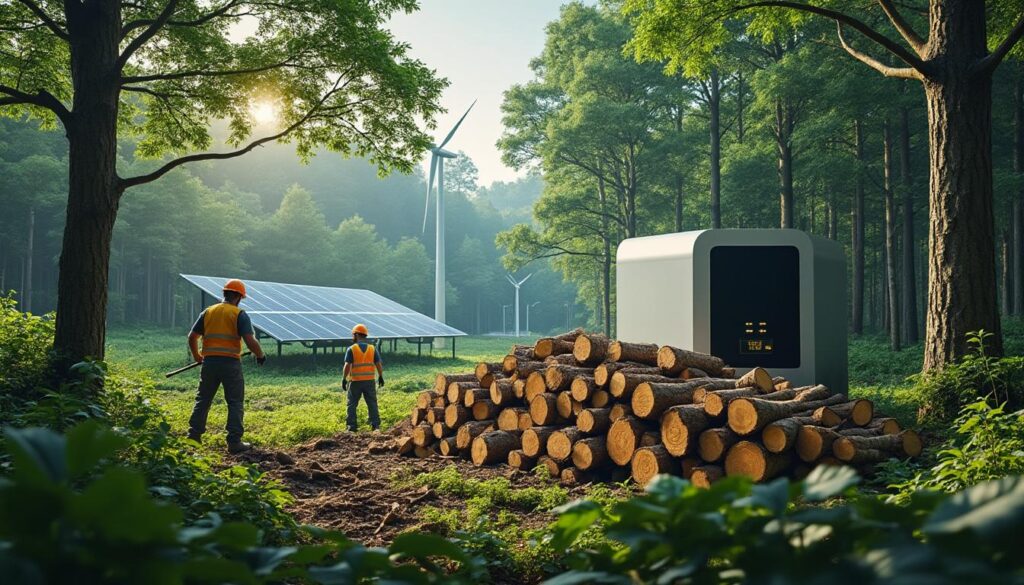
A specific financial package is opening a rare window of opportunity to modernize the Portuguese countryside with clean energy and lighter electricity bills. The focus is simple and powerful: energy efficiency and renewable energies in agricultural operations, with dedicated public financing.
| Short on time? Here’s the essentials: |
|---|
| ✅ Non-repayable support that can cover up to 100% of eligible investment, funded by the Environmental Fund and operationalized by IFAP ⚙️ |
| ✅ Priority for energy efficiency, photovoltaic/wind production, and energy storage 🔋 |
| ✅ Avoid the common mistake: invest without a energy audit and without proper sizing for the consumption profile ⚠️ |
| ✅ Bonus: combine solar + batteries + efficient pumps to maximize self-consumption and reduce power peaks ☀️⚡ |
Investment of 15 million euros for the agricultural sector: who benefits and how non-repayable support works
The Government has allocated a budget of 15 million euros to accelerate the energy transition in agriculture. The design is clear: finance energy efficiency equipment and infrastructure, renewable production, and storage in agricultural operations, with a direct impact on producers’ competitiveness and income. The envelope is guaranteed by the Environmental Fund and the technical and financial processing is done by IFAP, ensuring practical coordination with the sector.
Agricultural and livestock producers, cooperatives, associations and producer organizations, and irrigators’ associations can apply. The logic is to cover everything from small family farms to collective structures that manage irrigation and cooling, where energy consumption is significant. In 2026, the importance is evident: electricity costs remain volatile and climate pressure requires reducing emissions with mature and accessible solutions.
The support is non-repayable, through reimbursement after execution, and can reach 100% of eligible investment according to the notice that will be published on the Environmental Fund website. This allows planning investments with controlled risk: first, one projects based on the consumption profile, then implements, and finally requests reimbursement from IFAP. The golden rule remains measurement: records of consumption before and after to prove gains and keep the efficiency strategy alive.
What investments are prioritized
Measures with tangible operational returns are chosen: efficient pumping in irrigation (variable speed drives, IE3/IE4 motors), LED lighting in pavilions and barns, efficient cooling with load control and reinforced insulation, photovoltaics for self-consumption with or without batteries, micro-wind generation where wind exposure is favorable, and monitoring systems that allow the management of timings and powers. In collective irrigation, the modernization of pumping stations and reduction of losses in the network can represent chain savings.
Public policy objectives and benefits on the ground
The strategic orientation is twofold: reduce energy costs and lower emissions. The Ministry of Environment emphasizes efficiency as a lever for sustainability and competitiveness, while Agriculture reinforces the urgency of modernization in the countryside. In practical terms, fewer kWh per ton produced and fewer power peaks contracted turn the energy bill into a profitability factor. In the horizon, national climate and energy targets align with the daily reality of the producer.
The expected result? More resilient and predictable operations in costs, cooperatives with greater energy autonomy, and irrigators’ associations with fewer interruptions and more stable tariffs. Investment in energy ceases to be an end in itself and becomes a means to operate better, with simplicity and control. This is the leap that the 15 million package allows to accelerate.
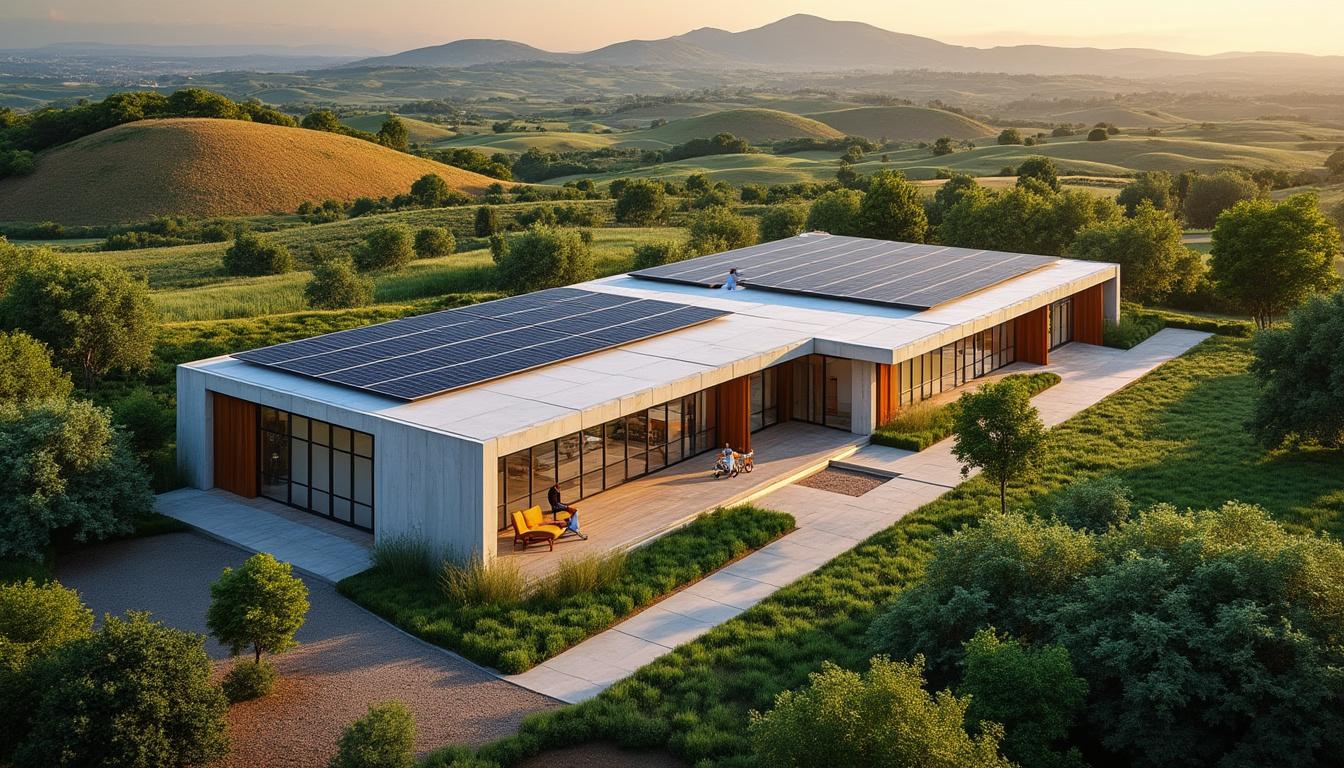
Energy efficiency in the countryside: practical measures that cut costs without complication
Before thinking about solar panels, it’s worth starting with the less glamorous but more profitable: using the energy that is already consumed more efficiently. In agricultural operations, three areas concentrate quick gains: irrigation, cooling, and buildings. A simple diagnosis detects waste that often does not require heavy construction, only the replacement of equipment or operational adjustments.
Irrigation and pumping: right power, right time
Oversized pumps without variable speed drives consume more than they should. By adjusting the rotation to the required pressure, power peaks and kWh per cubic meter of water can be reduced. Plan to irrigate during off-peak hours and synchronize with photovoltaics on sunny days to maximize self-consumption. For example: in a 22 kW pumping station, installing a VSD and correcting the power factor reduced consumption by 18% and eliminated penalties.
Cooling and post-harvest preservation
Old freezers and storage rooms, with poorly sealing doors and dirty coils, pull unnecessary energy. Replacing them with units with variable speed drives on the compressor, improving insulation, and installing thermal curtains in storage rooms with broken doors can reduce consumption by 20-30%. An energy monitor per circuit helps to detect anomalous cycles, often caused by misaligned sensors or excessive defrosting.
Buildings and lighting
Sheds and barns with IP65 LED, presence sensors, and photocells reduce operating hours without impacting animal comfort. In support houses, ventilated roofs and shade cloth over work areas reduce the need for cooling. The investment is low and the effect is immediate.
To guide decisions, focus on these quick impact actions:
- 🔧 Replace old motors with IE3/IE4 and add variable speed drives
- 💡 Renovate lighting to LED with automatic control
- 🧊 Optimize cooling chambers (insulation, doors, defrosting)
- 🕒 Reprogram schedules for off-peak periods and coincide with solar
- 📊 Install monitoring per circuit to manage consumptions
At “Quinta da Ribeira Nova,” a small fruits producer in a greenhouse, the sequence was: quick audit, replacement of 36 floodlights with LEDs, installation of two variable speed drives on pumps, and sealing of cold storage room doors. Monthly consumption fell by 24% in three months, without any solar panels. Only afterwards did they install 30 kWp of photovoltaics for daytime irrigation, further reducing the cost per kilogram harvested. First, waste is eliminated; then renewables are added. This is the order that yields solid results.
If the goal is to save consistently, start with what you can control today and make measurement your best ally.
The video above is useful to visualize the real effect of variable speed drives and scheduling on the bill and daily irrigation operation.
Renewable energies and storage in the countryside: solar, wind, and biogas tailored to the operation
With efficiency sorted, it’s time to produce clean energy. Photovoltaics for self-consumption is the main feature, especially when sized to match the load profile of irrigation, cooling, and workshops. The rule is to design to maximize self-consumption, not to export, keeping the installed power aligned with the contracted power and available coverage.
Well-sized photovoltaics
In operations with daytime irrigation from spring to autumn, 1 kWp typically generates 1,400–1,600 kWh/year in mainland Portugal. By overlapping this production with the irrigation calendar and cooling needs, the ideal self-consumption curve can be obtained. On roofs, favor structures with ventilation under the modules and secure technical passages. On the ground, respect corridors for maintenance and consider trackers only if the gain outweighs the operational complexity.
Storage: batteries that make sense
Storage with lithium batteries (LFP) allows for smoothing peaks, covering short periods without sun, and shifting part of the consumption to locally produced energy. In operations predominantly irrigating during the day, the role of the battery is smaller; however, in cooperatives with nighttime cooling, the benefit grows. A balanced solution combines intelligent controllers, prioritizing critical loads and integrating hourly tariffs. Size the battery for 1 to 2 hours of critical load, avoiding costly over-sizing.
Micro-wind and biogas
In windy coastal or mountainous areas, micro-wind can complement solar, especially in months of lower radiation. It requires an anemometric study and assessment of noise and shading. In livestock operations, biogas adds value to waste, generating heat and electricity in cogeneration. Despite greater complexity, it can be decisive in units with significant thermal consumption (washing, water heating) and waste management.
An illustrative case: an irrigators’ association in Alentejo installed 500 kWp of solar on roofs and 400 kWh of batteries in the technical building. With active management, they began operating two daytime irrigation windows aligned with solar production and shifting auxiliary loads to peak photovoltaic hours. The result was fewer power peaks and a 32% reduction in specific cost per m³ of water pumped in a normal radiation year.
Producing energy is more than just installing panels: it’s synchronizing operations, stabilizing costs, and gaining autonomy without losing maintenance simplicity.
IFAP applications without pitfalls: steps, documents, and criteria that count
The process is straightforward if prepared methodically. Applications will be submitted on the IFAP portal after the notice is published on the Environmental Fund website, which defines deadlines, eligible types, and limits per project. A good application demonstrates three things: diagnosis, technical project, and measurement of results.
Practical step by step
- 📁 Gather energy bills from the last 12 months and the contracted power.
- 🧭 Conduct a simple energy audit (load curve, timings, critical equipment).
- 🧩 Define the package of measures (efficiency + renewable + monitoring) and the timeline.
- 📐 Obtain project/technical description and comparable budgets from suppliers.
- 🔎 Ensure technical compliance (standards, certifications, electrical and structural safety).
- 🖥️ Submit the application to IFAP with savings goals and a measurement plan.
- 🧾 Execute, document and request reimbursement with “before/after” reports.
Criteria and mistakes to avoid
The energy relevance of the measures, the robustness of the sizing, and the ability to prove results count. Avoid buying from catalogs without matching your consumption profile; and do not leave monitoring to the end. Another common slip is neglecting licenses and opinions (structural, electrical, agricultural) when there are significant physical changes. Transparency in budgets and realistic timelines facilitate approval and execution.
To inspire, see analyses and sizing cases in simple language:
One last detail that matters: preventive maintenance planned from the start. An annual plan for cleaning modules, inspecting cables, and checking variable speed drives prevents silent losses and doubles the investment impact.
With method and clear records, the application ceases to be a maze and becomes a successful formality.
Results that matter: metrics, return, and post-investment monitoring
Public support is the starting point; what solidifies the gain is measuring and managing. Three indicators help make decisions and prove results: kWh per unit produced (e.g., kWh/ton), peak power (max monthly kW), and percentage of self-consumption (% of solar production consumed locally). In irrigation, add kWh per m³ pumped; in cooling, kWh per hour of operation of the storage room.
The economic analysis becomes clear with payback, IRR, and LCOE (levelized cost of energy). For efficiency investments, paybacks of 2-4 years are common; in solar without batteries, 4-7 years; with batteries, it depends on usage to cut peaks and shift nighttime consumption. Non-repayable support significantly shortens these timelines, transforming the project into a “no-brainer” when sizing is correct.
| Measure ⚙️ | Typical savings 💶 | Estimated payback ⏱️ |
|---|---|---|
| Variable speed drives in pumping | 15–30% in irrigation energy | 1–3 years (without support) ✅ |
| LED + control | 50–70% in lighting | 1–2 years ✅ |
| Efficient cooling | 20–35% per chamber | 2–4 years ✅ |
| Photovoltaic solar | 30–60% of the bill | 4–7 years (less with support) ☀️ |
| LFP batteries | Peak reduction and shifting | 5–8 years (intensive use) 🔋 |
At the “Campos do Norte” cooperative, the installation of 120 kWp with load control and sector measurement raised the self-consumption to 82% and cut maximum power by 28%. The energy contract was renegotiated with lower power and tariff adjusted to the new curves. After a year, reports showed a 35% reduction in emissions associated with electricity, reinforcing the brand’s image with retailers who value sustainable supply chains.
To stay on track, establish a monthly dashboard with four numbers: total kWh, locally produced kWh, peak kW, and cost per unit produced. In case of deviations, adjust timings, re-balance powers, and check the health of the equipment. Technology helps, but it is the discipline of measurement that makes the difference.
If you’re looking for an immediate first step, choose today a critical circuit (irrigation, cooling, or lighting) and install monitoring. Tomorrow you will already have data to decide confidently and take advantage of support when the notice opens. This is how energy goes from an inevitable cost to a competitive advantage in your field.
Source: gazetarural.com