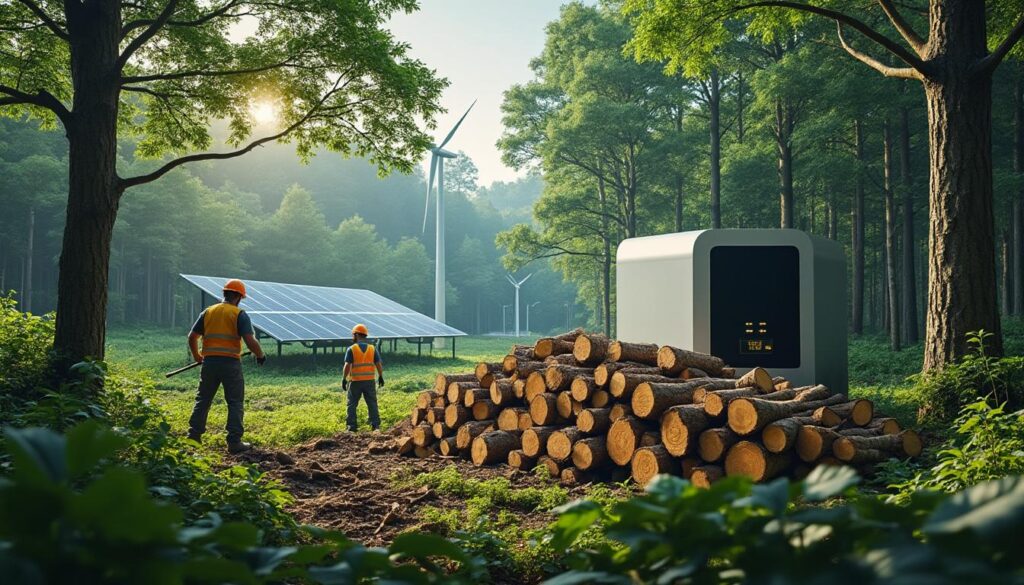
The relaunch of Solenerge in the Azores is a rare opportunity to accelerate the energy transition, reduce bills, and strengthen the region’s autonomy with clean and accessible technology.
Applications are open until February 28, and the call has specific goals, clear incentives, and a practical path for those who want to move forward without wasting time.
| Short on time? Here’s the essential: ⏱️ |
|---|
| ✅ 100% support for eligible expenses of photovoltaic systems, up to €1,500 per kW installed ⚡ |
| ✅ Deadline: applications until February 28 📅 |
| ✅ Regional goal: achieve 38.2 MW of installed power in the Azores 🌞 |
| ✅ Budget: envelope of €60 million, with €45 million already committed in approved incentives 💶 |
Azores launches call to boost renewable energies with Solenerge support: what changes for families and businesses
Solenerge reopens with a crystal-clear goal: to leverage the decentralized production of solar photovoltaic energy and bring the Autonomous Region of the Azores closer to a cleaner, more resilient, and financially intelligent energy matrix. With a total budget of €60 million, the call integrates the Investment C14-i03-RAA of the PRR and aims for 38.2 MW of new installed capacity for self-consumption. The design of the incentive is direct and generous: 100% co-financing of eligible acquisition and installation expenses, up to €1,500 per kW installed.
For those looking to reduce their energy bill, the impact is immediate. A house in Ponta Delgada, with an annual consumption of 5,000 kWh, can size a system of 3.5 to 4.0 kW and cover a large part of its daytime consumption, reducing dependence on the grid during sunny hours. In small businesses, like a bakery in Terceira that operates from 6 am to 6 pm, the solar production curve aligns with operations, yielding savings of over 40% on the energy purchased from the grid. And when load management (equipment operating during peak production hours) and monitoring are integrated, actual performance approaches technical potential.
The Regional Government emphasizes that there are already €45 million in approved incentives, so reopening applications is strategic to meet the target agreed with the European Commission. This phase also reinforces the role of installation teams and beneficiaries in the speed of execution: the faster the processes, the quicker the region stabilizes its own generation base, reducing the import of fossil fuels.
Who can apply and why this is relevant now
The program is available for individuals and collective entities (companies, IPSS, cooperatives), excluding the regional administration and the direct administration of the State. This breadth accelerates the network effect: by democratizing access to self-consumption, Solenerge transforms rooftops, yards, and coverings into active production points. In islands with high sun exposure and maritime winds, this decentralization reduces losses, reinforces local resilience, and dilutes risks associated with logistical interruptions.
The time frame is short: until February 28. Therefore, the best strategy is to advance with a diagnosis and technical proposal as soon as possible. In practice, when shading analysis, structural verification of supports, and evaluation of the electrical panel are done early, rework, requests for additional clarifications, and delays that can increase the project cost or push the installation to worse weather periods are avoided.
Practical example: from disorganized consumption to efficient self-consumption
Consider a family on the island of Pico with an annual consumption of 4,200 kWh, concentrated at the end of the day. With 3.0 kW of photovoltaic power, without batteries, the self-consumption rate hovers around 35-45% if nothing is adjusted. By scheduling the washing machine and water heater to the solar period and installing a small battery of 3-5 kWh, the usage rate of the generated energy can rise to 65-80%. In financial terms, with support at 100% for acquisition and installation (up to the cap of €1,500/kW), the direct investment of the beneficiary is drastically reduced, shortening the time until net savings.
In summary, this is the moment to structure quality projects: the funding is available, the rules are clear, and the energy return is real. The next natural step is to understand the application process and how to avoid errors that delay approval.
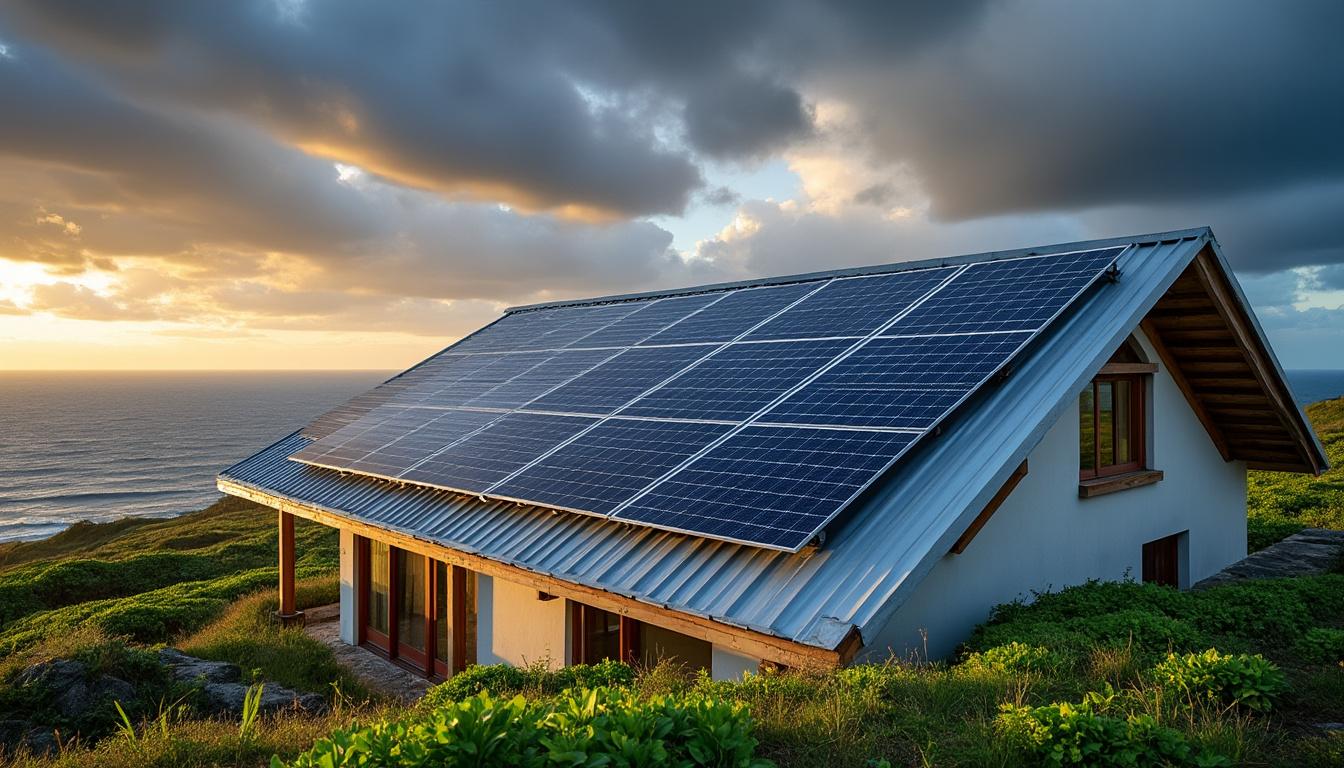
How to apply for Solenerge without stumbling: steps, documents, and mistakes to avoid
A good application arises from good preparation. With defined deadlines and objective technical parameters, the difference between a quick approval and a bureaucratic ordeal lies in the details. Below is a practical roadmap to organize everything in a timely manner and with technical quality.
Simplified step-by-step
- 🔎 Consumption diagnosis: gather 12 months of bills. Identify peaks, seasonality, and hours. Without this portrait, sizing is done in the dark.
- 🧭 Pre-sizing: estimate the ideal power (kW) and the available space (roof, pergola, ground). Consider shading and orientation.
- 📸 Technical inspection: photos of the site, electrical panel, roof structure. Note inclination, type of covering, and possible fixation points.
- 🧾 Detailed budget: request proposals from accredited installers, including equipment, guarantees, and schedule. Demand technical data sheets for modules and inverter.
- 📝 Documentation: prepare identification, proof of property ownership/contract, consents, and necessary certificates.
- 🌐 Submission: make the application at solenerge.azores.gov.pt. Validate all fields before sending.
- ✅ Check: review attachments, legibility, and dates. An illegible attachment invites requests for clarification.
- ⚙️ Execution and supervision: after approval, schedule installation, tests, and monitoring configuration.
Frequent errors and how to avoid them
Repetitive problems are avoidable. The most common is misadjusted sizing: systems that are too large generate excess that is not utilized; too small systems do not deliver the expected savings. Another recurring point is the incomplete shading report: trees, chimneys, and parapets significantly reduce production and require module layout and optimization by appropriate MPPT. Many dossiers fail in the proof of ownership or in the consent of the condominium in multifamily buildings; anticipate this formality to avoid missing the application window.
There is also the issue of warranties. Modules with 25 years of performance are standard, but product warranty and inverter warranty vary. Request terms in writing, avoid equipment without a service history in Portugal, and confirm compatibility with the local grid. Finally, electrical safety is non-negotiable: DC/AC disconnection, overvoltage protection, and proper labeling ensure compliance and peace of mind.
Realistic timeline and alignment with deadlines
From the first contact to installation, expect 4 to 10 weeks, depending on complexity and work schedule. To meet the deadline of February 28, it is ideal to complete diagnosis and technical proposal in the next two weeks, leaving room for adjustments. Installation teams with regional experience can accelerate measurements and enable robust solutions in the face of Atlantic weather, provided they have a clear briefing from the start.
By structuring the application with this roadmap and attention to detail, the process flows, approval comes faster, and the system starts producing when the sun rises again on the calendar.
Smart sizing of photovoltaic systems in the Azores: from consumption to the right kW
Proper sizing is the art of balancing consumption, space, solar radiation, and budget. In the Azores, radiation is generous, but the insular climate requires careful technical choices: structures that withstand wind, fixations that respect waterproofing, and inverters prepared for occasional micro-shading. A good project starts with the consumption profile and ends with monitoring that validates actual performance.
Typical consumption profiles and recommendations
In residences with limited daytime occupancy, solar production hardly coincides with use. The solution involves shifting loads: water heater with programmer, washing and drying machines during sunny hours, and, when feasible, a battery of small capacity to cover peaks in the late afternoon. In homes with teleworking, the synergy is natural and allows for slightly larger systems, with more self-consumption. In small businesses with daytime operations (cafes, workshops, grocery stores), the return is generally faster, as energy is consumed at the time of generation.
As a practical reference, a home with 4,500 kWh/year might consider 3.0–4.0 kW. A business with 12,000 kWh/year might consider 6.0–8.0 kW, depending on usable space and shading. The preferred orientation is south, but east/west can deliver a wider curve and may increase self-consumption without batteries. The important thing is to align the production curve with usage habits.
Batteries, monitoring, and fine-tuning
Batteries are not mandatory, but they increase the self-consumption rate and resilience in islands. A 5 kWh unit can absorb excess energy from midday and deliver it at night, reducing purchases from the grid during peak hours. With the incentive set at 100% for photovoltaic systems up to €1,500/kW, many beneficiaries choose to start without a battery and add it later, once consumption patterns are clear. Monitoring, in turn, is the steering wheel of the system: adjusting setpoints, turning on loads at ideal times, and quickly detecting anomalies to prevent losses.
To translate these choices into numbers and decisions, a comparative table helps visualize incentives and scales of return.
| Power (kW) 🔋 | Max incentive (€1,500/kW) 💶 | Typical annual consumption it covers 📈 | Usage suggestion 🛠️ |
|---|---|---|---|
| 2.0 kW | €3,000 | 2,500–3,500 kWh | Small houses; orient daytime use ☀️ |
| 3.5 kW | €5,250 | 4,000–5,500 kWh | Medium families; possible 3–5 kWh batteries 🔋 |
| 6.0 kW | €9,000 | 7,500–9,000 kWh | Small businesses; loads during solar hours 🧑🍳 |
This grid does not replace the project but guides initial decisions and avoids surprises. After the choice, adjusting microinverters or optimizers can mitigate intermittent shading typical of chimneys and vertical elements. And remember: the best energy is the one not consumed. Before installation, change light bulbs, adjust AQS temperatures, and optimize insulation. Every kWh saved is one less kWh that needs to be generated.
With a well-defined sizing base, it’s time to integrate the solution into the building with architectural and technical care, ensuring performance and aesthetics go hand in hand.
Architectural integration, safety, and durability: getting it right the first time in an Atlantic climate
In an archipelago of strong winds, salty fog, and thermal variations, the quality of the installation is as important as the choice of inverter. Proper architectural integration ensures watertightness, structural stability, and a visual presence coherent with the house or commercial space. When the base is taken care of — anchoring, waterproofing, cable passages — the “hidden bill” of leaks and premature maintenance is avoided.
Rooftops, wind loads, and fixation
On sloped roofs, the dominant wind direction and the leading edge of the roof dictate the arrangement of the modules. Certified aluminum profiles and stainless steel A2/A4 fixings withstand corrosion better. On tiles, use specific hooks and waterproofing membranes; on fiber cement or sandwich panels, apply seals and screws while always respecting the structure. Where winds are stronger, increase anchoring points and reduce the height of the structure.
If there is no roof available or if the structure is fragile, solar pergolas and active shading meet two needs at once: they produce energy and create thermal comfort. In parking areas, photovoltaic “carports” protect vehicles and contribute kWh with high public visibility.
Maritime corrosion and material choices
Salty fog requires cabling with UV resistance and well-protected connections. Junction boxes with high IP rating, technical ducts with covers, and appropriate cable entries prevent water ingress. The inverter should have protection against corrosive atmosphere or be installed in a ventilated indoor space. On facades, prefer structures with reinforced anodization. Annual preventive maintenance — torque inspection, gentle cleaning, and firmware updates — preserves warranties and performance.
Aesthetics, heritage, and real estate value
In historic centers or residences with strong architectural character, the composition of the modules can dialogue with the lines of the building: alignment with eaves, regular setbacks, and invisible cabling. There are cases in Angra do Heroísmo where the solution involved smaller modules for better fitting and lesser visual impact. The result: discreet integration, property enhancement, and higher social acceptance.
When technique, materials, and design are combined, the system becomes a logical layer of the building: it produces, protects, and communicates care for the future. From here, the natural question is: how much does this return to the wallet and to the environment?
Economic return, environmental impact, and the future of energy in the Azores with Solenerge
The economic argument leaves no room for doubt. With 100% support for eligible expenses up to €1,500/kW, the net investment of the beneficiary decreases, and the monthly savings come in sooner. In a household that pays €120 per month for electricity, reducing 30-50% during sunny hours already means tangible budget relief. In small businesses with daytime operations, the effect is even greater, as the production curve coincides with activity. And there is the “stability dividend”: less exposure to fluctuations in energy prices, common in markets dependent on imports.
From an environmental standpoint, every kWh generated locally avoids emissions and alleviates the island grid. The goal of 38.2 MW of new capacity for self-consumption is not just a number: it represents hundreds of active rooftops, thousands of good decisions, and a collective signal that the energy transition can be done sensibly and with engineering. After a period of strong economic dynamism in 2024, with growth but slowing down, programs like Solenerge help redirect investment towards productive assets, with diffuse benefits for families and businesses.
Energy communities and the next leap
The next natural step is the formation of energy communities, sharing surpluses and democratizing access to lower tariffs. In neighborhoods with similar typologies and similar solar coverage, the balance between production and consumption significantly improves when profiles are aggregated. Moreover, hybrid solutions — solar + shared batteries — reinforce local resilience against spikes and extreme weather events.
The Azores have all the conditions to lead pilot projects for smart microgrids, combining what already exists with what Solenerge facilitates. The learning impact is real: today we install the habits that will determine the energy landscape of the next decade. Independent platforms for dissemination and training, like Ecopassivehouses.pt, help translate technology into simple and replicable decisions in daily life.
Good practices to keep savings alive
- 📊 Monitor the system and adjust consumptions for the solar period.
- 🧼 Gently clean the modules 1-2 times a year; sand and salt reduce efficiency.
- ⚠️ Conduct annual electrical inspections; safety first, always.
- 🧠 Update the inverter firmware and use the management app for proactive alerts.
- 🌱 Combine solar with efficiency: insulation, sealants, and class A appliances.
With attentive operation and small routines, the installation continues to deliver clean kWh year after year, sustaining the savings and energy autonomy of your home or business.
To benefit from the support, organize your bills today, request a pre-sizing from an experienced installer, and proceed with the application at solenerge.azores.gov.pt before February 28. The best advice to take with you: start simple, do it right the first time, and let the sun work for you.
Source: www.noticiasaominuto.com